Fascinating History
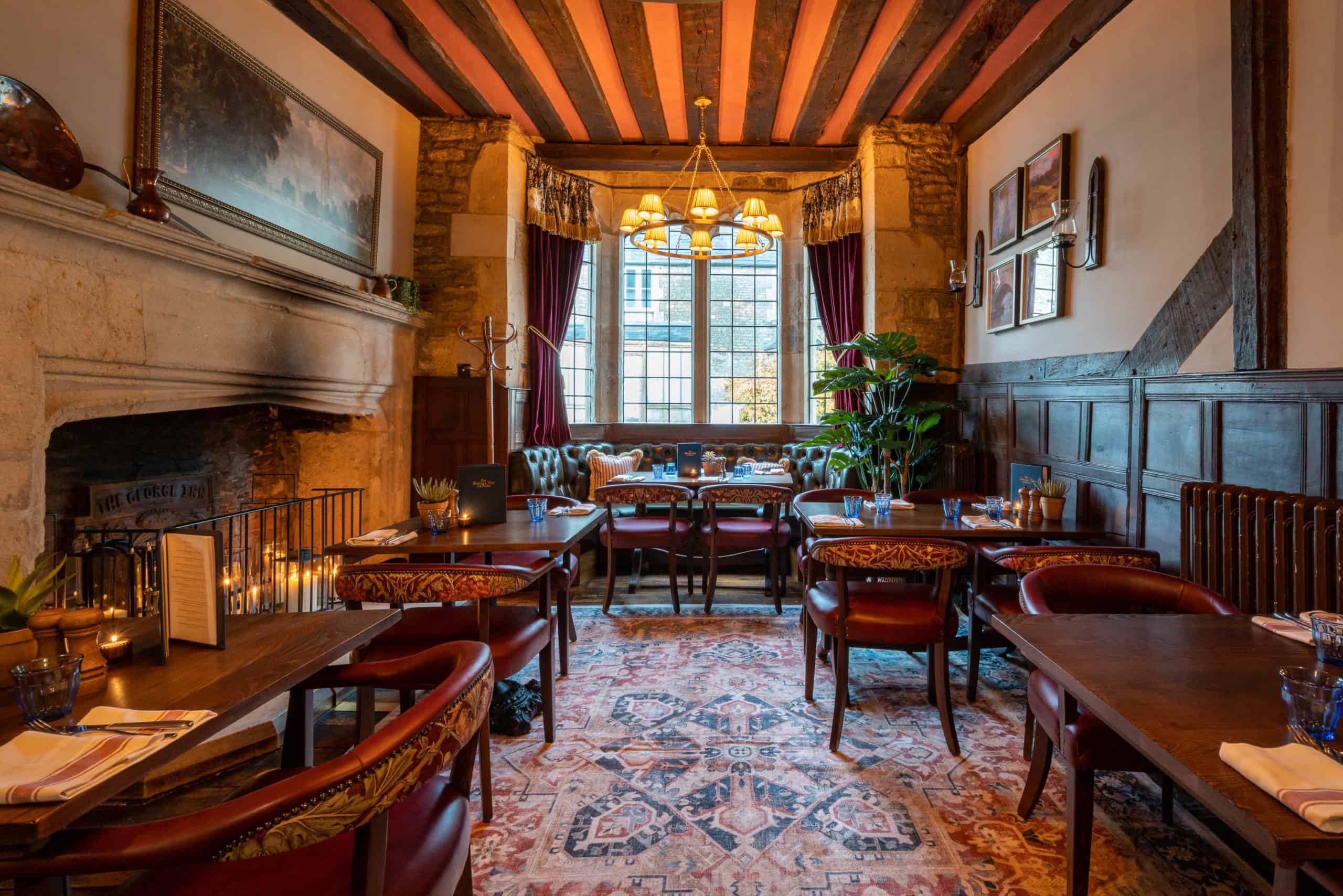
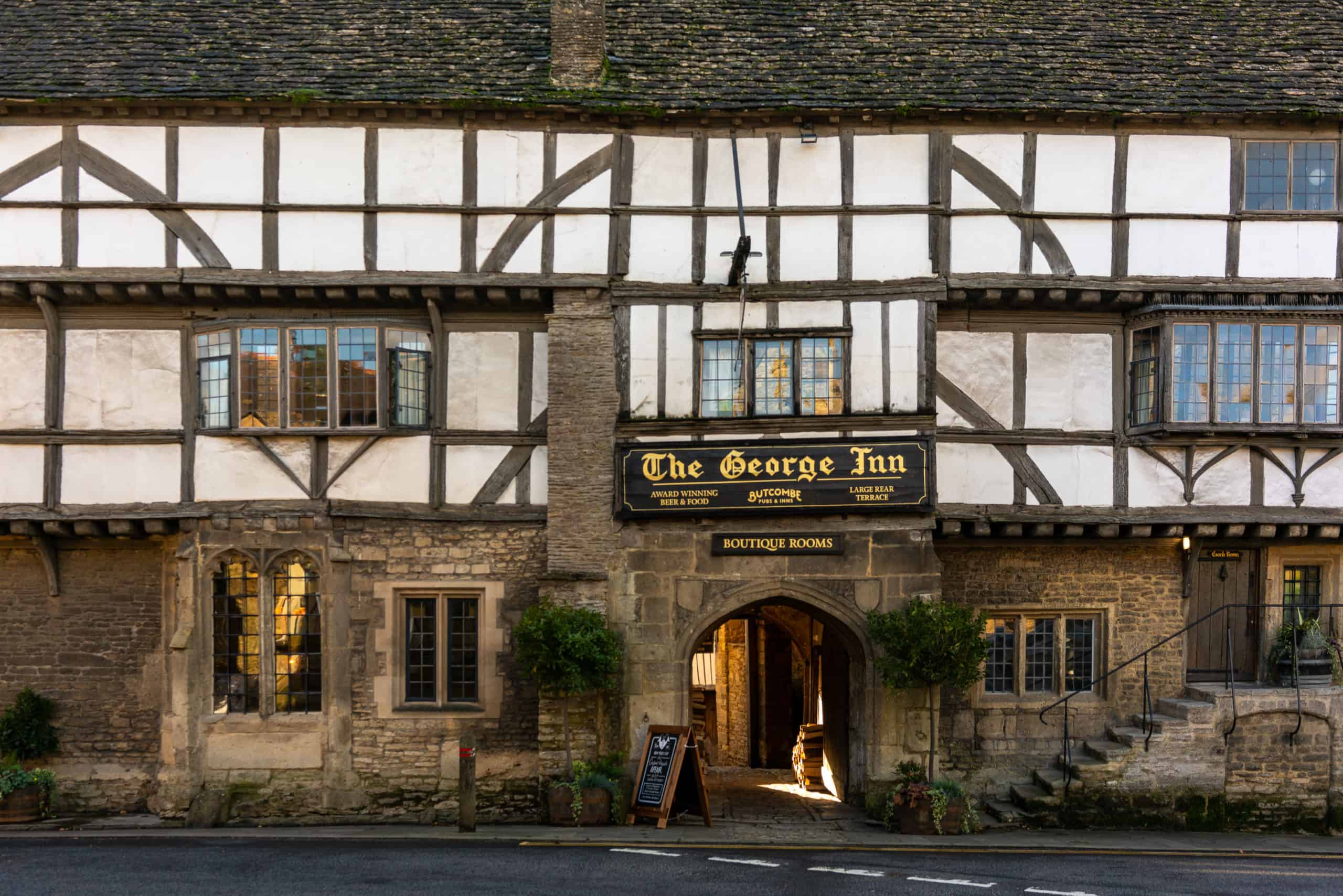
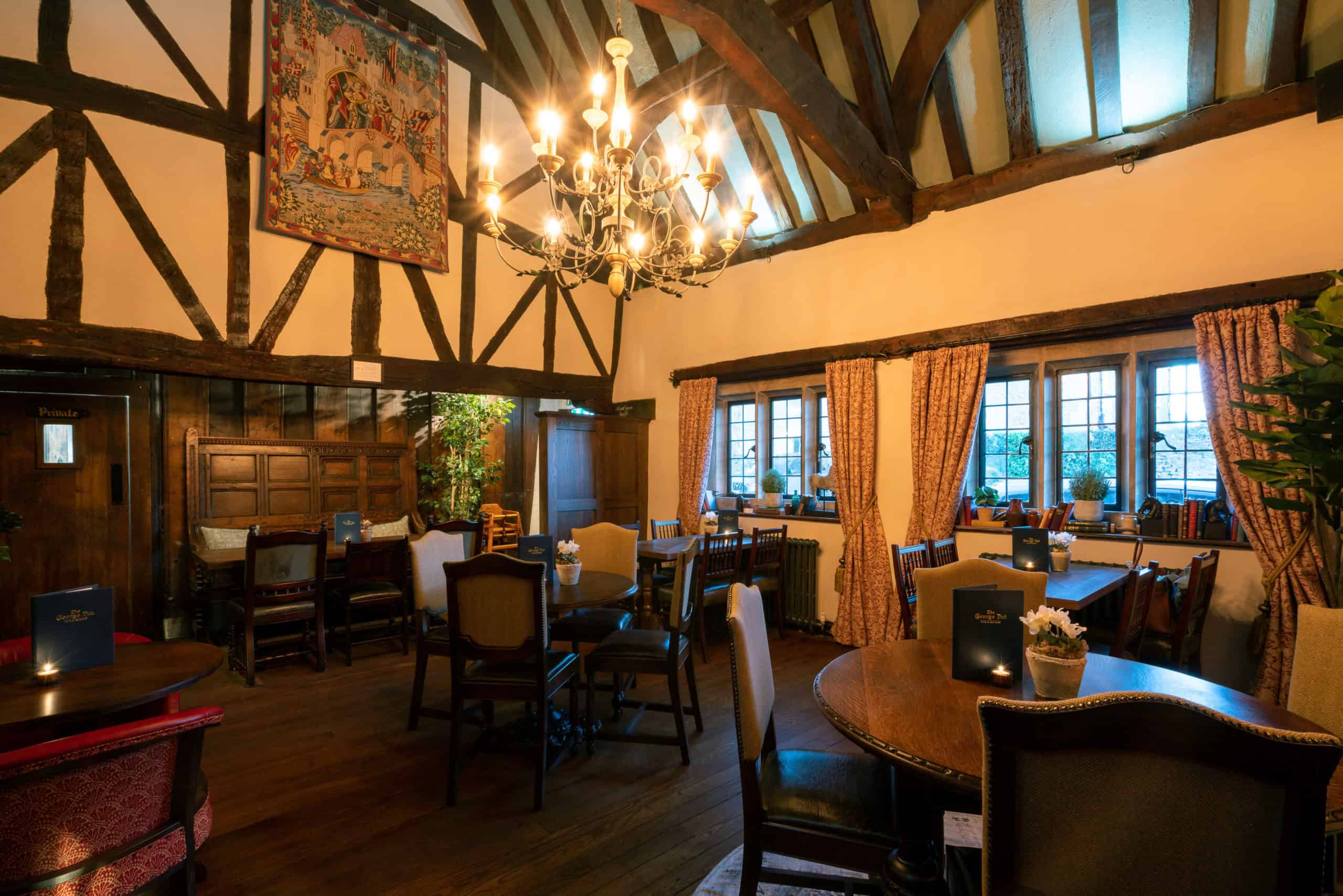
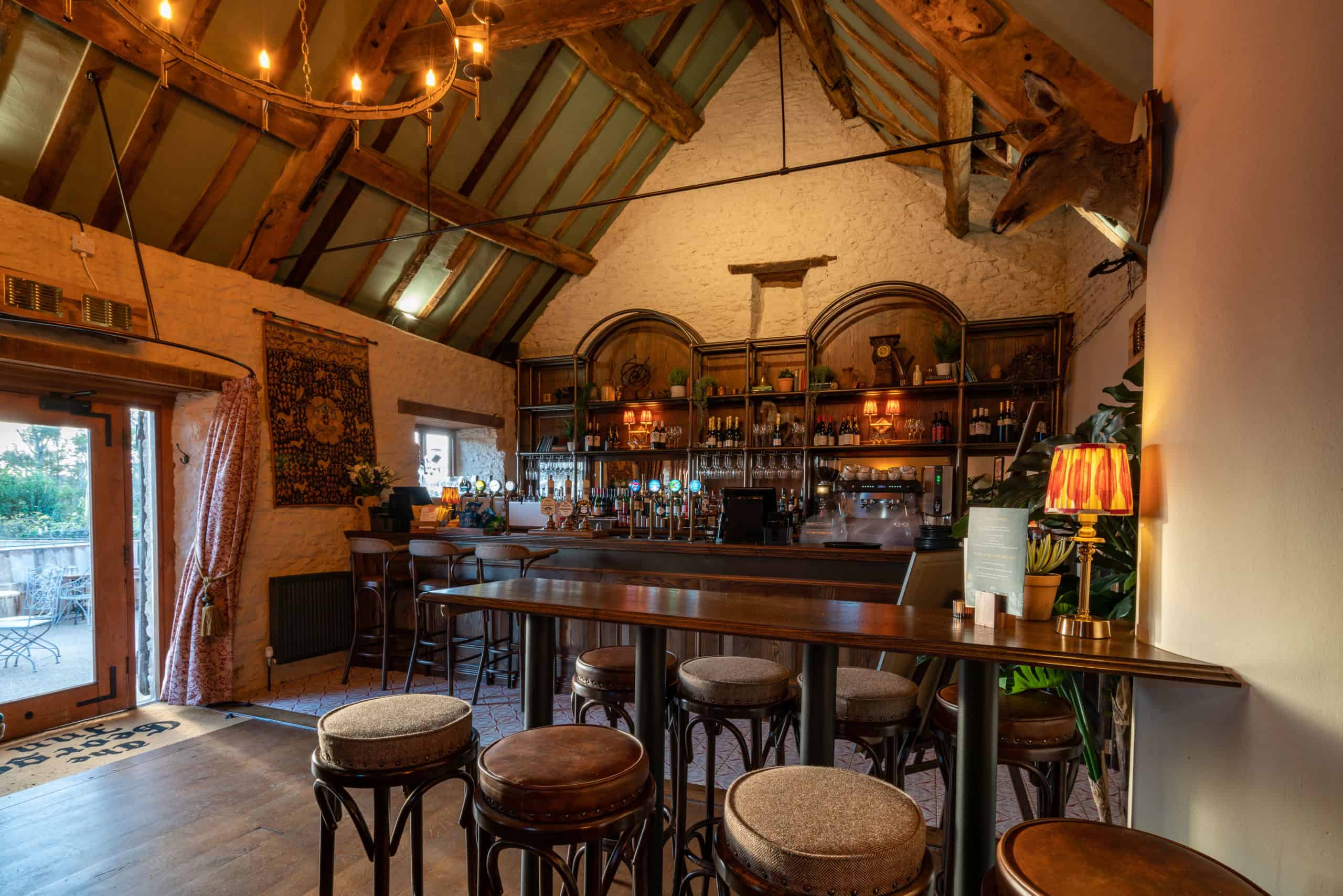
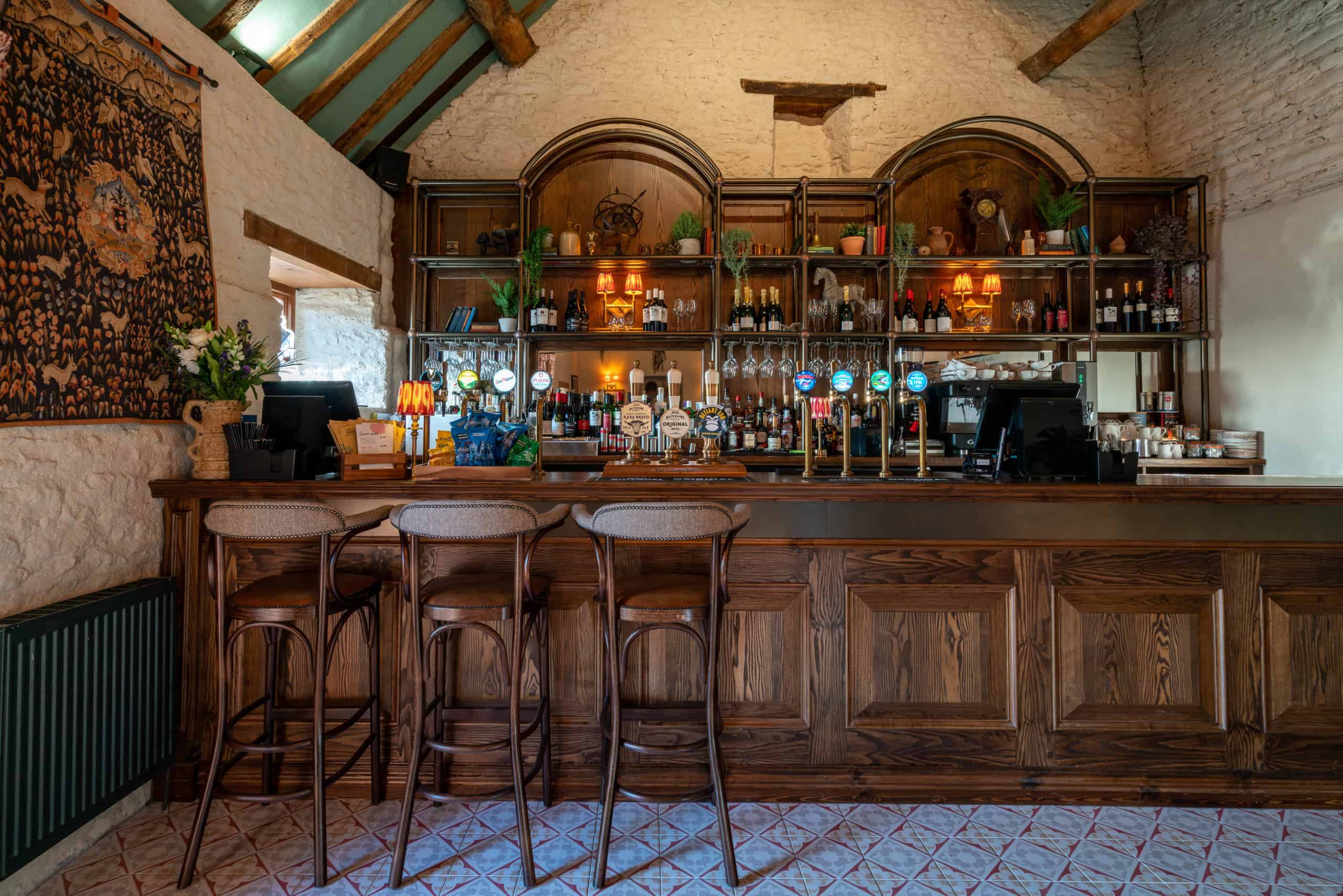
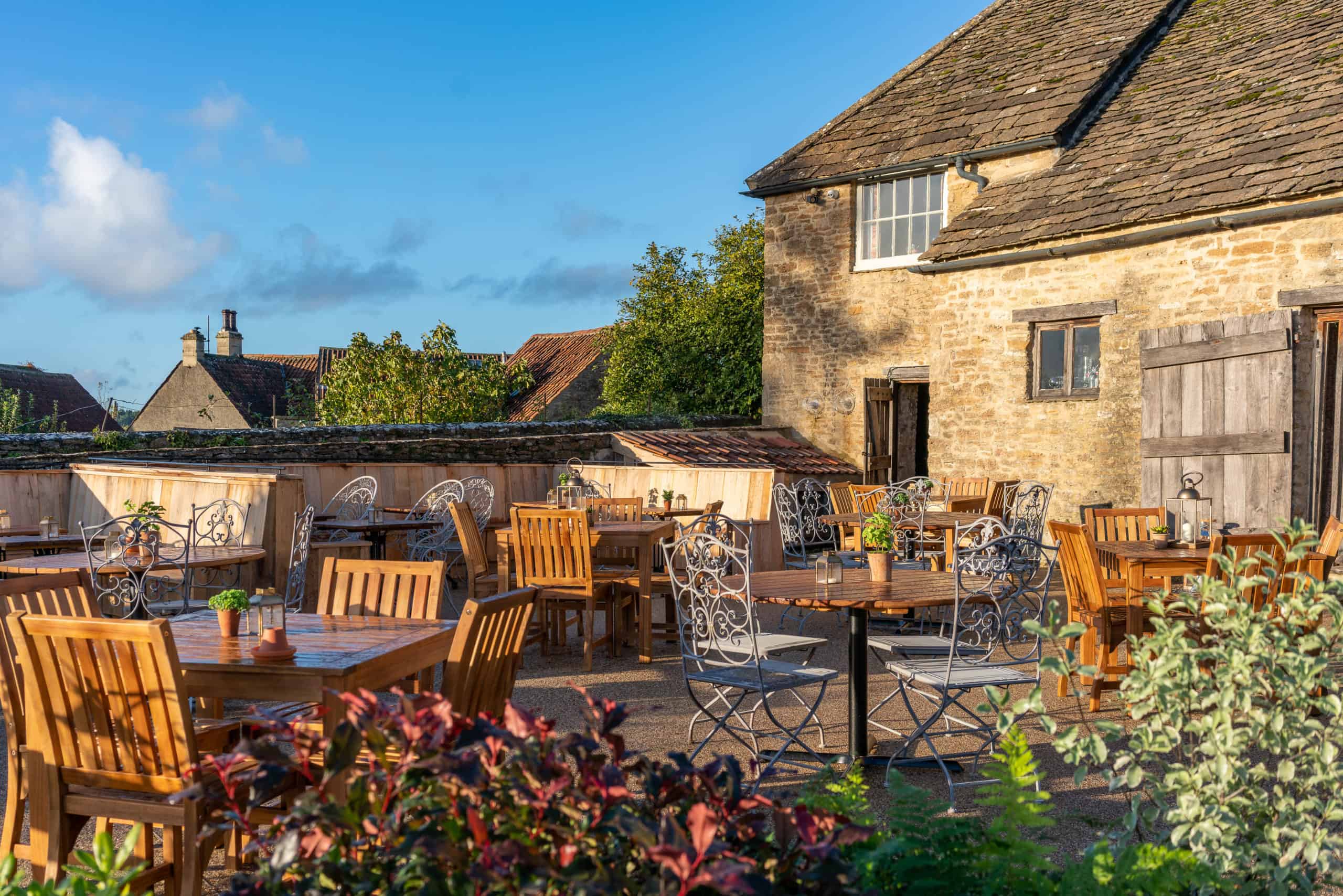
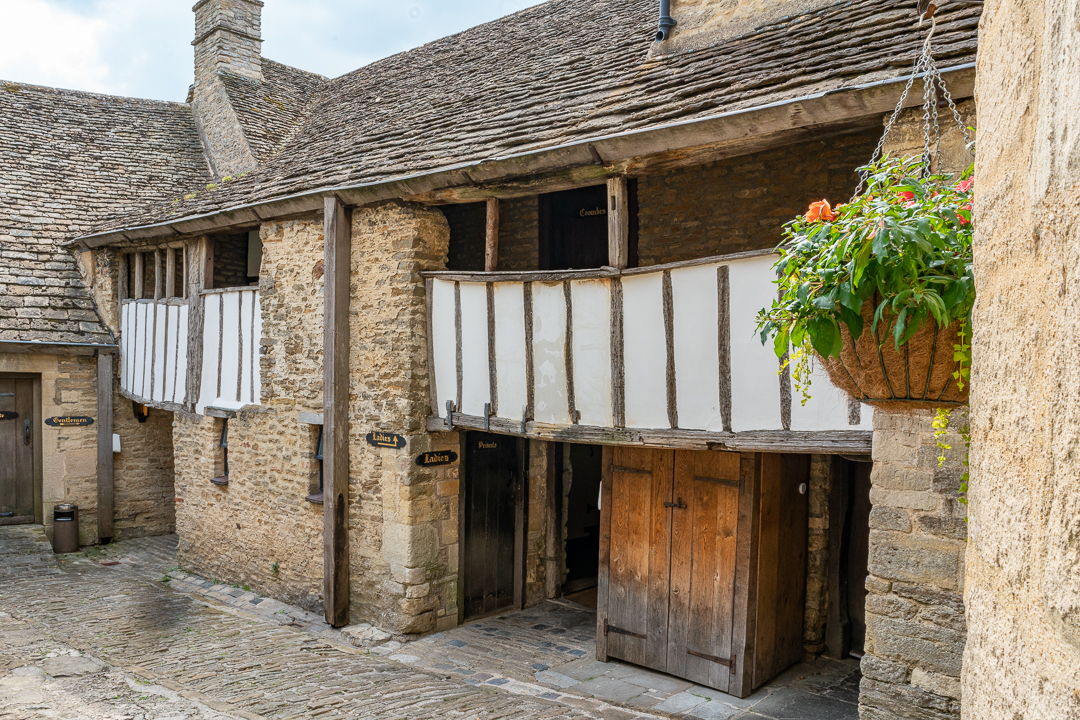
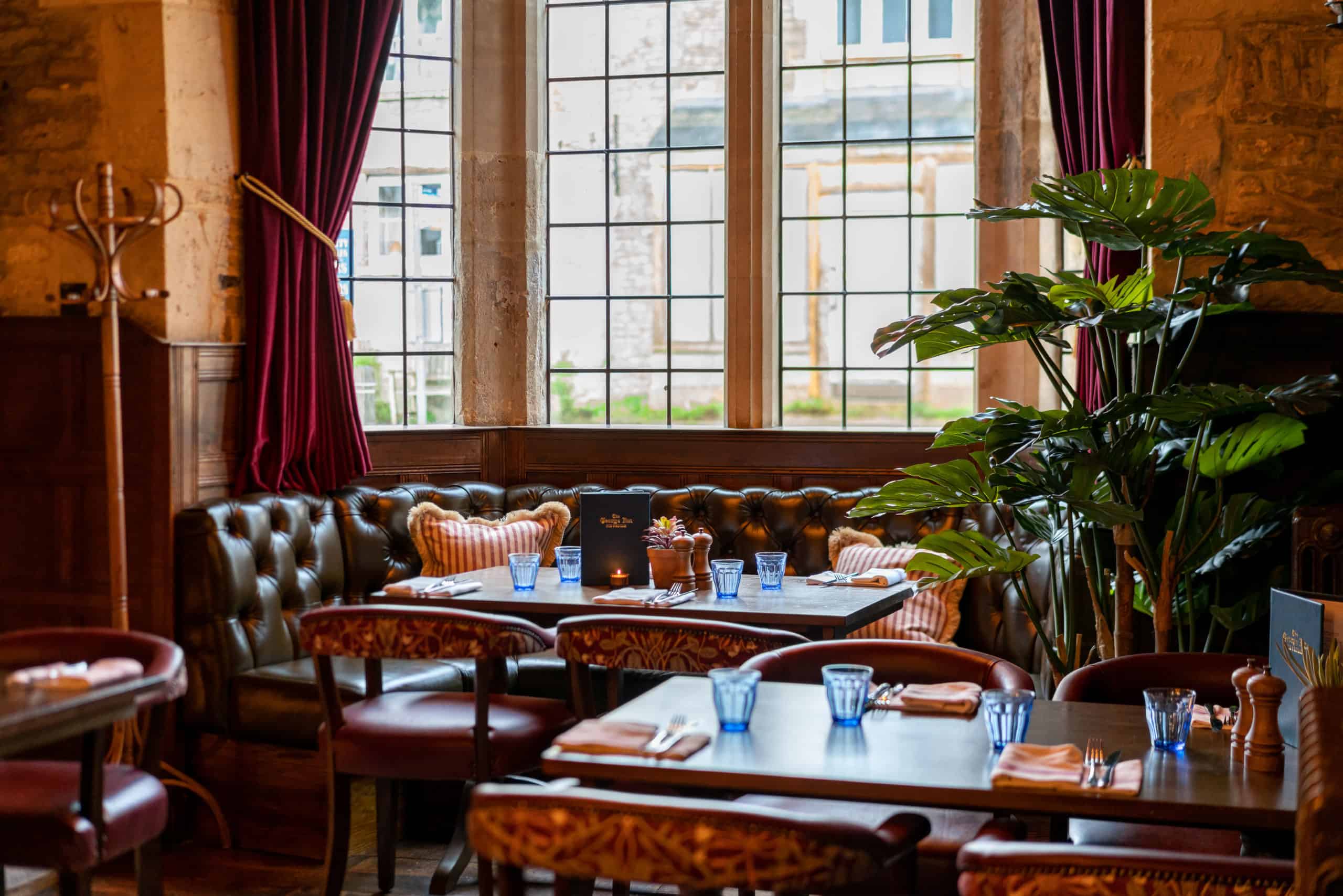
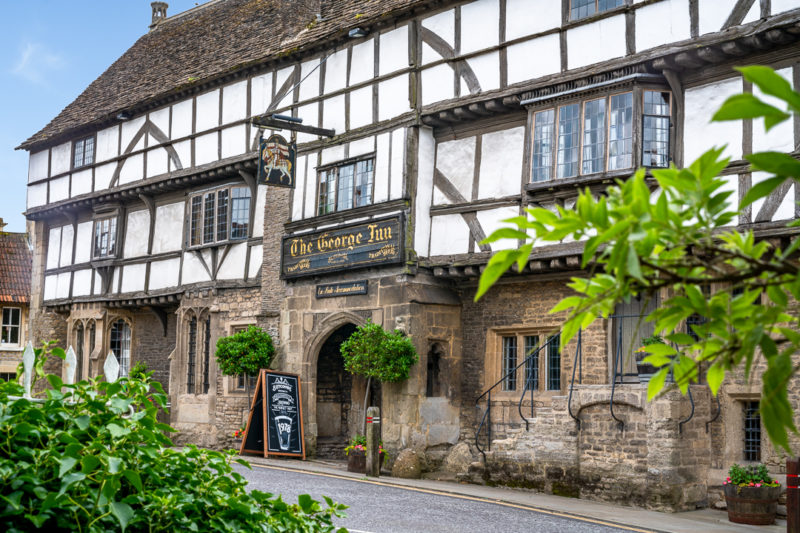
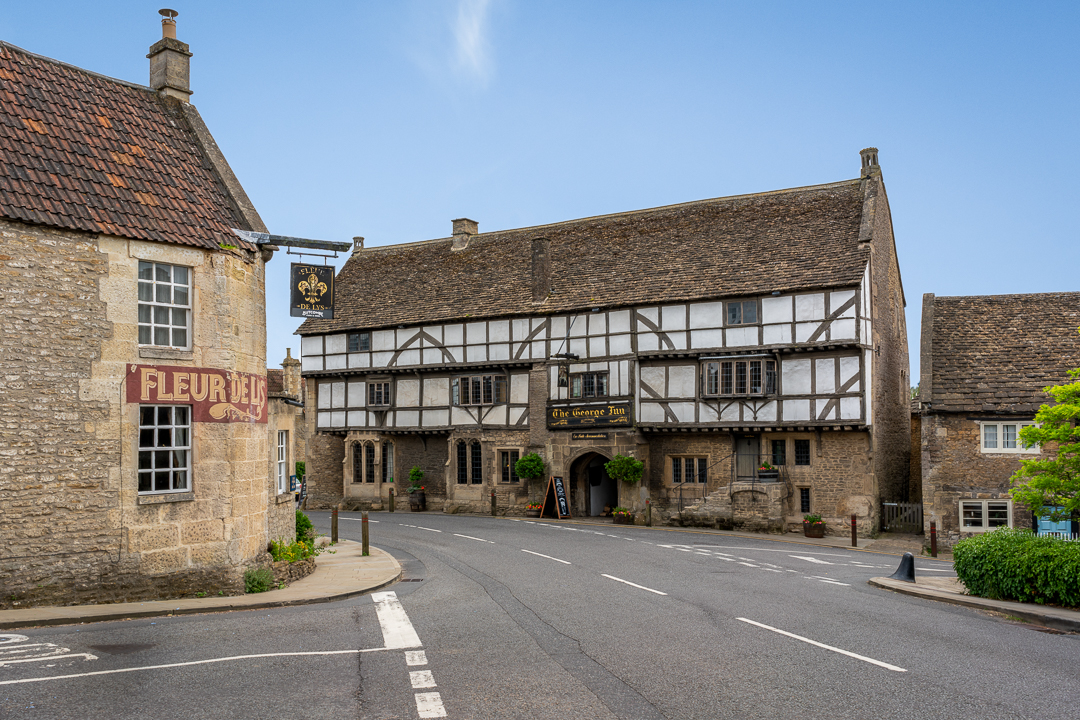
   The George at Norton St. Philip has been an Inn for over 700 years and is one of the oldest in the country. It was purpose built to accommodate travelers and merchants coming to the annual wool fairs that were held in the village from the late 13th century until 1902.

   The first mention of The George by name on record is in a document dated 1595 but, it is clear that it had already been known by this name for a long time.  A survey in 1606 describes the building as an "ancient and common Inn.... Where lynnen cloth is sould at fare tymes".  By the later part of the 17th century  The George had 35 beds and stabling for 90 horses.


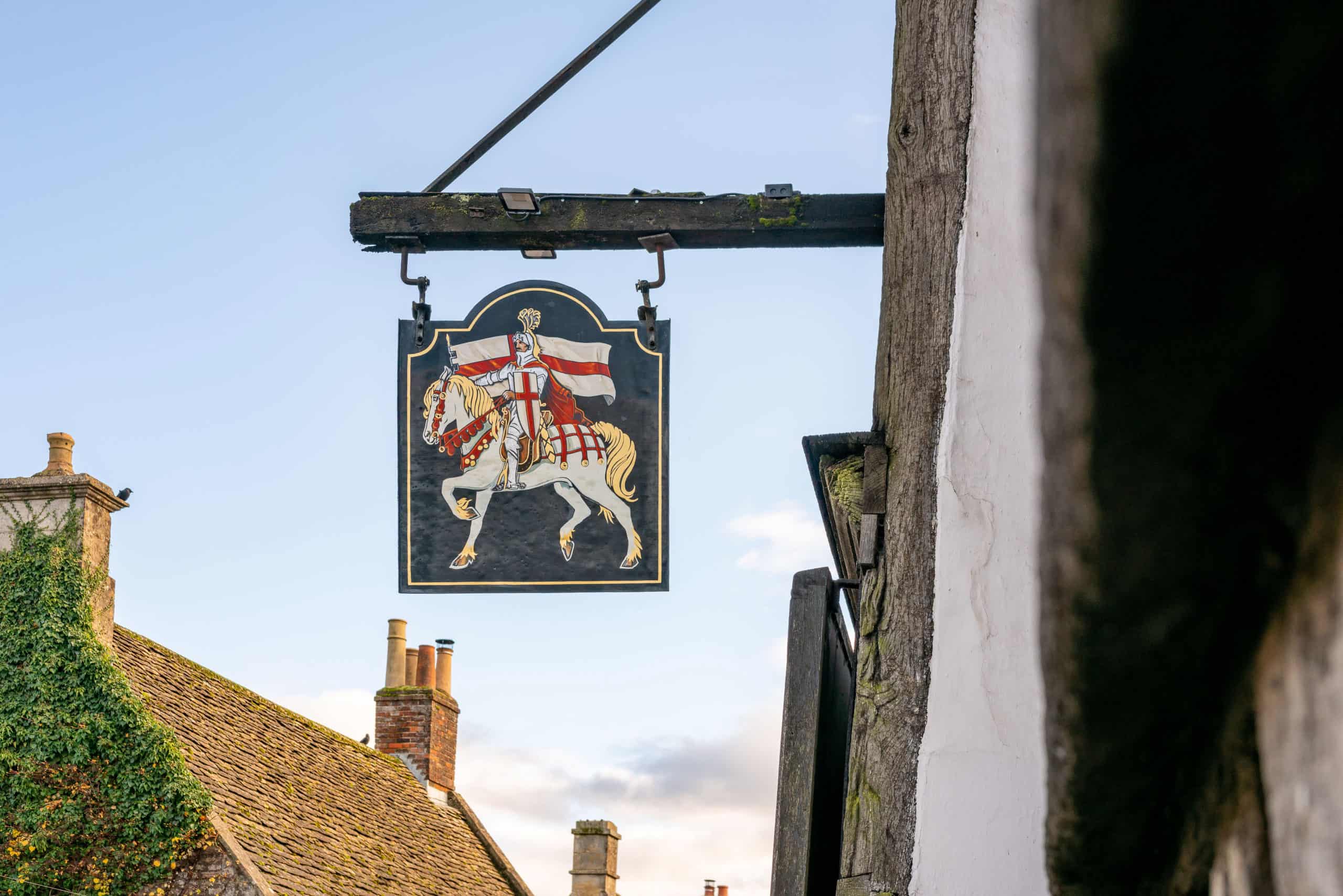
   St. George was originally a Near Eastern saint who was popularised in England by the returning crusaders.  He appears to have become England's national saint in the 14th century, when Edward III established the Order of the Garter at Windsor in St. George's Chapel.


The Duke of Monmouth, 
an illegitimate son 
of Charles II.

   Two famous visitors from the period are Samuel Pepys (famous diarist,1633 - 1703 ) and the Duke of Monmouth.  On the 12th June 1668 Pepys, with his wife and servants, passed through Norton on their way to Bath from Salisbury.  He stopped to visit the church, and they all dined very well for ten shillings before continuing to Bath for the night.  Monmouth an illegitimate son of Charles II used the building as his headquarters after his retreat from Bath on 26th June 1685.  The rebel army was defeated at the battle of Sedgemoor on the 6th July and retribution followed throughout the West Country.  At Norton St Philip 12 men were hanged at the crossroads by the infamous Judge Jeffries who is reputed to have held Court at The George Inn.

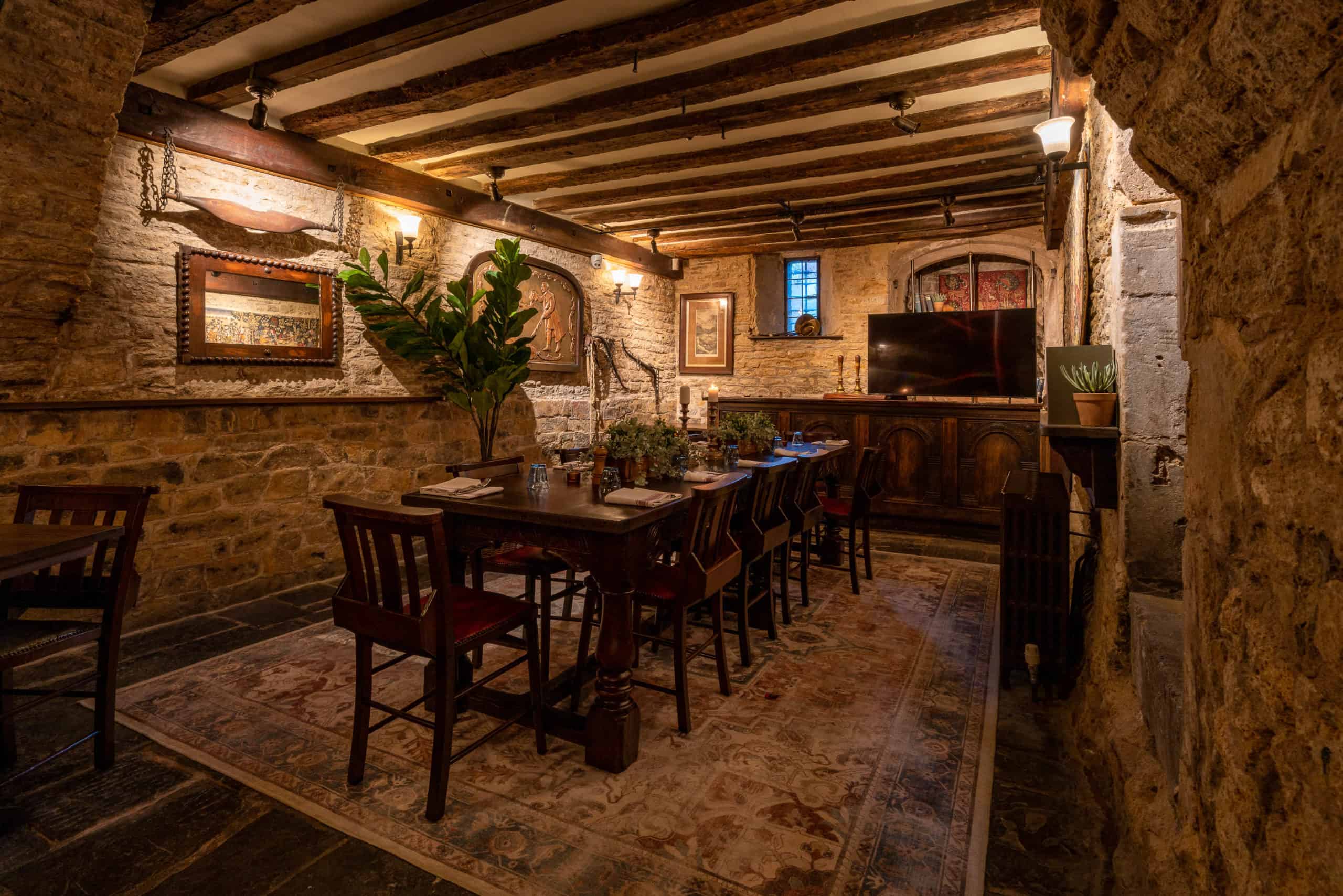
Gateleg table found in
the Monmouth Room today. 
It was around this table that battle tactics 
were reputedly discussed in 1685.

  In the 18th century the prosperity of the village declined but the Coaching route to Bath ensured the George continued to flourish.  In the Early 19th century it was already well known as a historic Inn and appears in many watercolours, engravings and photographs. 

Watercolour of The George Inn 
in 1842 by W.W. Heatley.

     By the late 1990's large parts of the building were in need of extensive repair and Mr. Charles Bartholomew the Chairman of the family owned Wadworth & Co. decided to undertake the huge and complex task of restoring this Grade 1 listed building to its former glory.
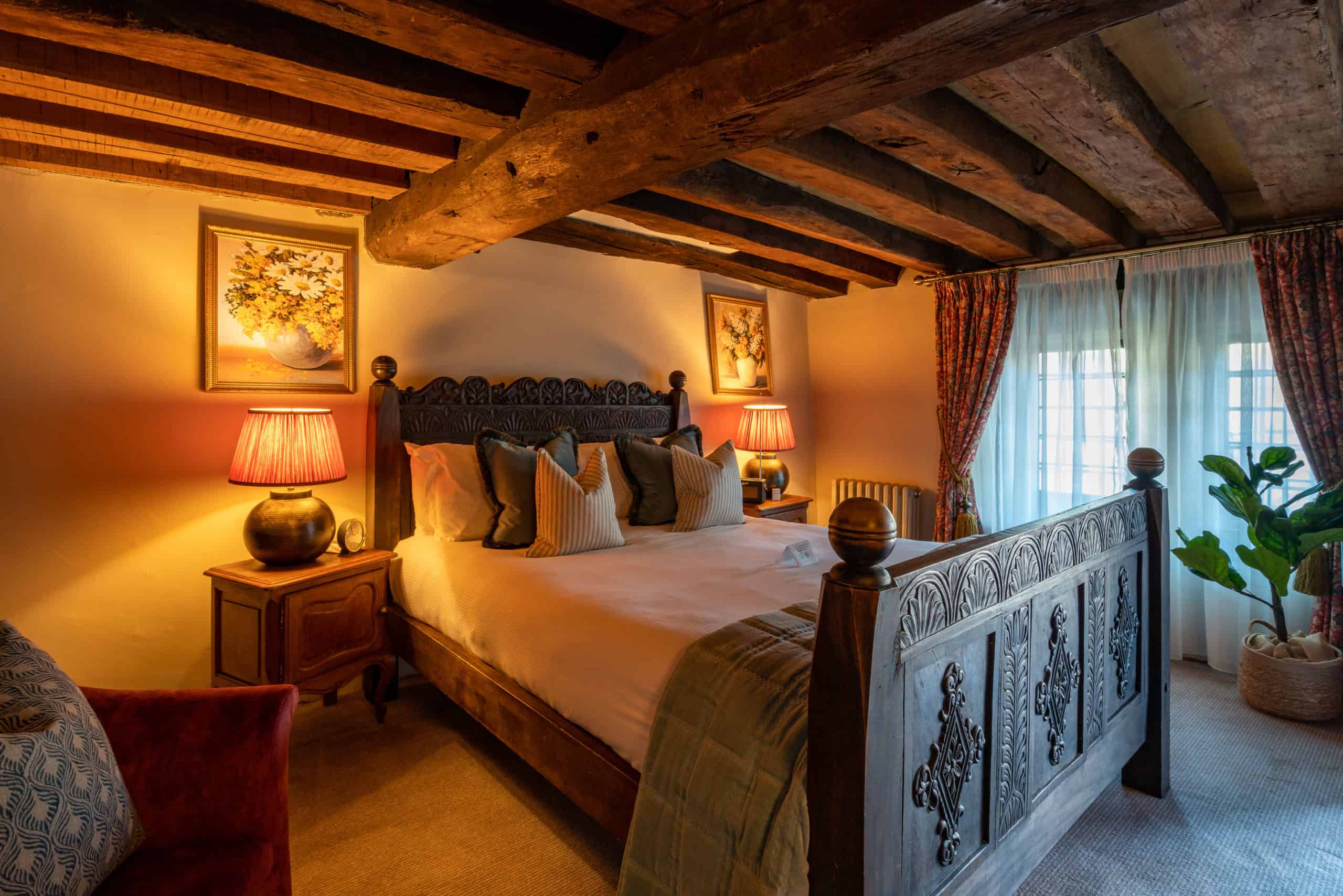
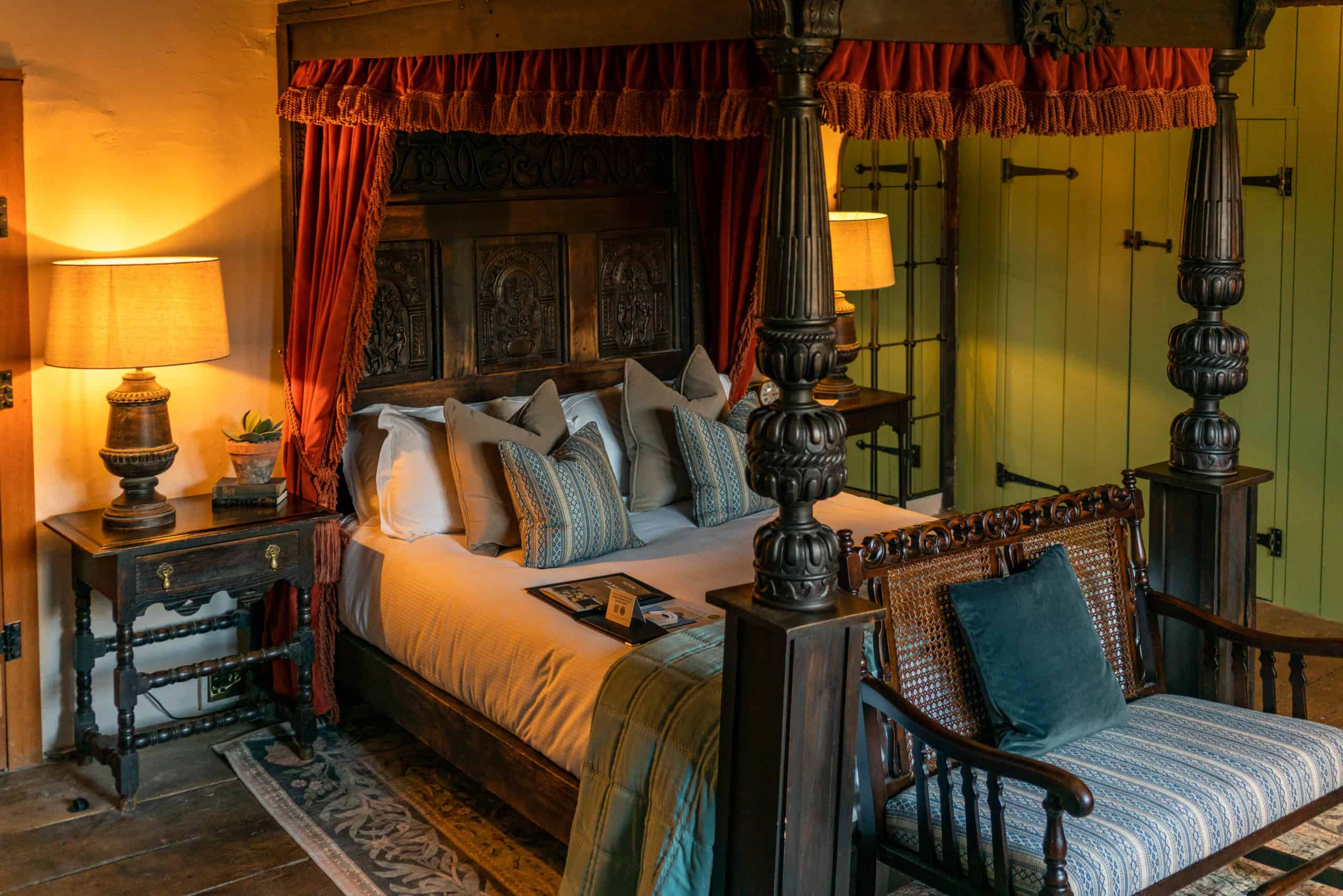
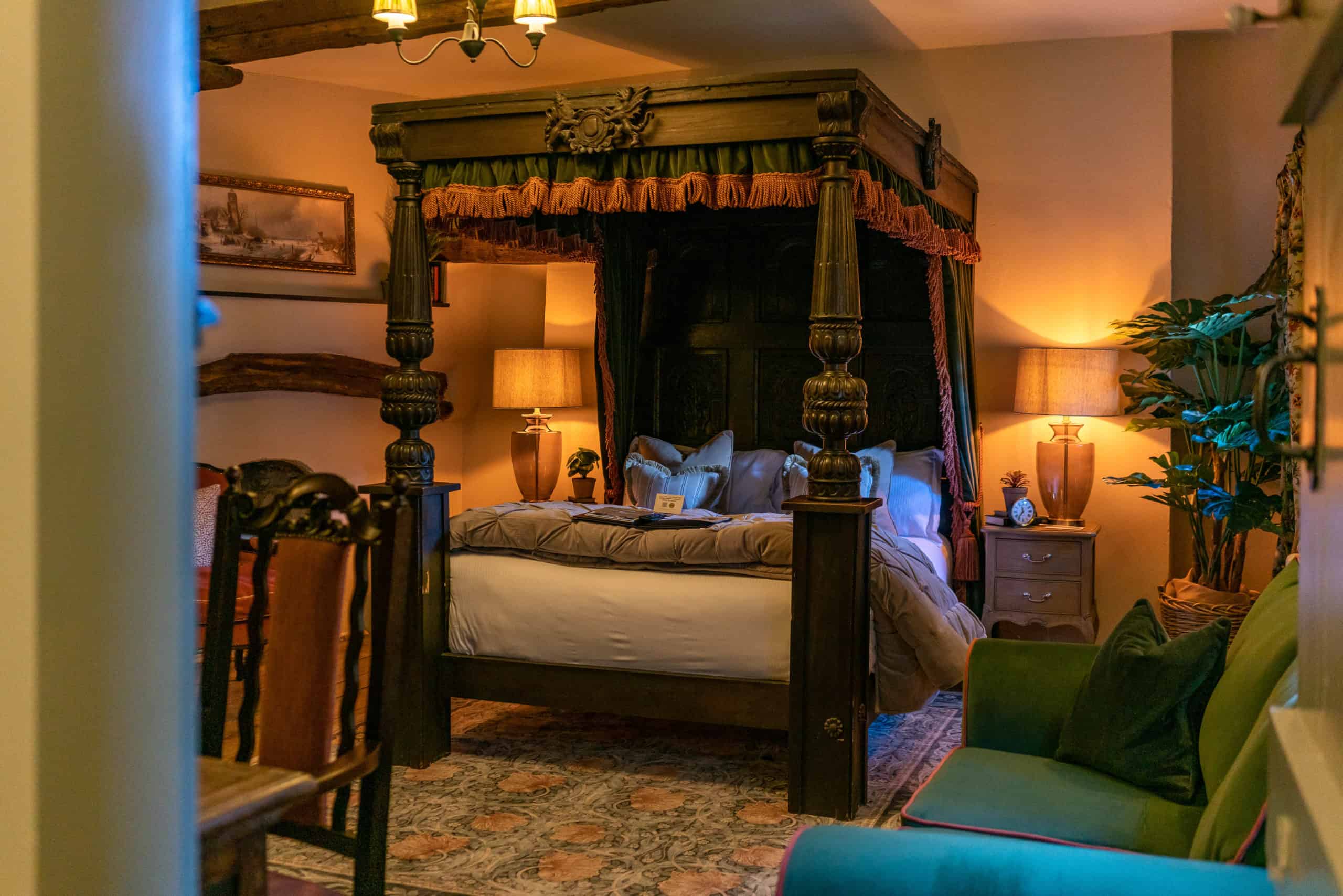
   During the restoration work wall paintings dating from the 15thC were uncovered and preserved.   The restoration also created 8 luxury letting rooms, 3 of which have hand-carved four poster beds in a period setting. 

Careful cleaning of the 16th 
century wall painting using cotton 
swabs and distilled water.

 
       More recently The George Inn has been seen as a setting in such films as The Remains of the Day, Tom Jones, and The Canterbury Tales.  It has also been used in the television serialisations of Persuasion by Jane Austin and Daniel Defoes Moll Flanders.


Home  |  LocationRooms  |  Tariffs  |  Fine Dining  |  Corporate
Virtual Tour  |   Great History  |  Contact Us  | Policies
The George Inn
 Norton St. Philip, Bath, Somerset
All Rights Reserved